Conch Shell Embroidery Design Review
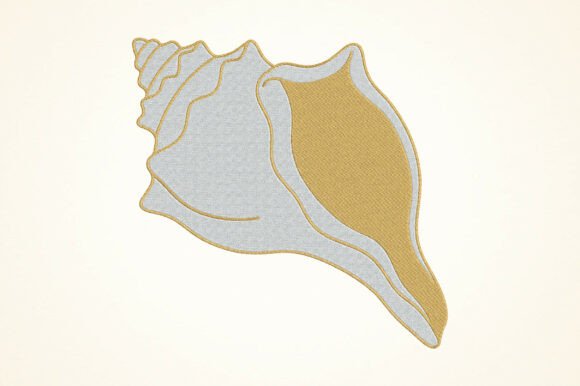
As an embroidery designer who has spent years translating digital concepts into tangible thread for small businesses, I approach every new machine embroidery design with a critical eye. It is not enough for a file to look good on a screen; it must translate seamlessly onto fabric, withstand washing, and elevate the brand identity of the client. Recently, I reviewed the Conch Shell Embroidery Design, a piece marketed within the Summer category. The product description promises "elegant coastal beauty" featuring a "detailed spiral shell with soft neutral tones." My goal in this review is to determine if this digital embroidery file is truly ready for commercial application or if it requires significant tweaking before hitting the production floor.
First Impressions: Elegance Meets Commercial Viability
The first time I opened the preview of the Conch Shell Embroidery Design, the aesthetic was immediately clear. This is not a bold, aggressive logo meant for sports teams or construction uniforms. Instead, it exudes a sense of calm, premium quality, and artisanal charm. The spiral motif is classic, but the execution described as having "soft neutral tones" suggests a sophisticated palette perfect for boutique environments. For a small business merch creator looking to signal "handmade," "organic," or "coastal luxury," this design hits the right notes. It feels less like a generic clip-art and more like a curated asset that can anchor a brand's visual identity.
However, the word "detailed" in the description warrants immediate attention. In the world of commercial embroidery, detail is often the enemy of clarity at small scales. A beautiful spiral on a monitor can become a muddy mess on a 2-inch patch if the stitch density is too high or the underlay is insufficient. My initial assessment is that this design leans heavily toward elegance, which makes it ideal for specific applications but potentially risky for others without careful testing.
Real-World Business Applications
Where does the Conch Shell Embroidery Design shine in a real business scenario? Let us imagine a local café, a seaside boutique, or a handmade soap brand launching their summer collection. Here are the most effective ways to deploy this embroidery file:
- Staff Uniforms and Aprons: For a beachside bakery or a floral shop, placing this design on the chest pocket of a linen apron creates an instant professional yet welcoming vibe. The neutral tones would complement earthy fabrics beautifully, reinforcing the brand identity of natural ingredients and craftsmanship.
- Custom Apparel and Tote Bags: A canvas tote bag is a prime candidate for this tote bag design. The larger surface area allows the detailed spiral to breathe, showcasing the intricate stitching without crowding. This transforms a simple carrier into a branded accessory that customers will want to use daily, acting as mobile advertising.
- Branded Patches: Creating an embroidered patch from this file allows for versatility. These patches can be sold as standalone products, added to denim jackets for a boutique clothing line, or attached to hats. The "coastal beauty" theme resonates strongly with lifestyle brands selling vacation wear or home decor.
- Event Merchandise and Gifts: For a summer wedding planner or a retreat center, this design works perfectly on guest favors. Whether on a cap, a napkin ring, or a small pillow, the finished product feels special and elevated compared to printed alternatives.
In these contexts, the design enhances customer trust. When a client sees a well-executed, high-quality custom apparel item with a cohesive design, they perceive the business as established and professional. The tactile nature of Embroidery adds a layer of value that print simply cannot match, justifying higher price points for handmade goods.
Critical Considerations and Limitations
Despite its potential, the Conch Shell Embroidery Design is not a one-size-fits-all solution. As a designer, I must advise caution in several areas to ensure the final output meets professional standards.
Scale and Detail Challenges
The "detailed spiral" mentioned in the description is the primary risk factor. If you attempt to shrink this design for a standard 4-inch cap embroidery front, the fine lines may collapse or pucker. The intricate curves require sufficient space to form correctly. I strongly recommend avoiding this design for tiny labels or very small patches unless you have access to a machine capable of extremely fine stitching and the appropriate stabilizer.
Fabric Texture and Color Contrast
The "soft neutral tones" work wonders on light or medium-colored fabrics like cream, beige, or light gray. However, using this design on dark navy or black uniforms could result in poor visibility unless the thread colors are significantly altered. Furthermore, highly textured fabrics like heavy corduroy or thick fleece might disrupt the smooth flow of the spiral pattern. Always test on the actual fabric texture intended for production.
Washing Durability
For items like aprons or staff shirts that undergo frequent industrial washing, the density of the stitches matters. If the stitch density is too low to maintain the shape of the shell, the design may fray over time. Conversely, if it is too dense, it may cause the fabric to stiffen or pucker. A balance must be struck during the digitizing process.
Practical Designer Notes for Production
Before committing to a bulk run of merchandise using the Conch Shell Embroidery Design, follow these essential steps to guarantee success:
- Test in Black and White: Run a sample using a single color thread first. This isolates the structural integrity of the design. Does the spiral hold its shape? Are there any gaps or floating threads?
- Verify Hoop Size: Check the dimensions of the digital embroidery file against your machine's maximum hoop size. Ensure the design fits comfortably without stretching the edges.
- Select the Right Stabilizer: For delicate details and curved surfaces like caps, a cutaway stabilizer is often necessary to prevent distortion. Do not skimp here; the foundation determines the longevity of the finished product.
- Create a Printable Mockup: Before sewing, generate a printable mockup to show the client how the design looks on the actual garment. This manages expectations and confirms placement.
- Check Licensing: Ensure you have the correct commercial embroidery license. Using a design for small business merch without proper rights can lead to legal issues. Confirm that the license covers the number of units you plan to produce.
- Compare with Other Assets: Place the Conch Shell Embroidery Design next to other design assets in your brand kit. Does the style match your typography and other graphics? Consistency is key to building a strong brand identity.
Final Verdict on Brand Impact
The Conch Shell Embroidery Design offers a unique opportunity for businesses in the lifestyle, hospitality, and handmade sectors to inject a sense of refined coastal elegance into their merchandise. It is particularly effective when used on larger surfaces like tote bags, aprons, or jacket backs where the details can be appreciated. However, it demands respect for its scale and complexity. By carefully managing thread colors, fabric choices, and stitch density, you can transform this file into a powerful tool for customer engagement.
For the savvy entrepreneur or decorator, this design is more than just a picture of a shell; it is a statement of quality. When executed correctly, it elevates the perceived value of your products, fosters brand recognition, and delivers a tactile experience that prints cannot replicate. Just remember to test thoroughly, respect the limitations of the scale, and always prioritize the end-user experience. With these precautions in place, the Conch Shell Embroidery Design can become a signature element of your summer collection and beyond.