Line Art Bee Embroidery Design Review
As a professional embroidery designer who has spent years translating digital concepts into tangible threads for small business owners, I approach every new machine embroidery design with a critical eye. The goal is never just to create something pretty; it is to build assets that work hard for a brand. Recently, I evaluated the Line Art Bee Embroidery Design, a file categorized under Animals and Embroidery, specifically looking at its viability for branded merchandise, patches, and commercial apparel decoration. This review breaks down how this specific design performs in real-world business scenarios, from boutique tote bags to staff uniforms.
First Impressions: Professionalism Meets Playfulness
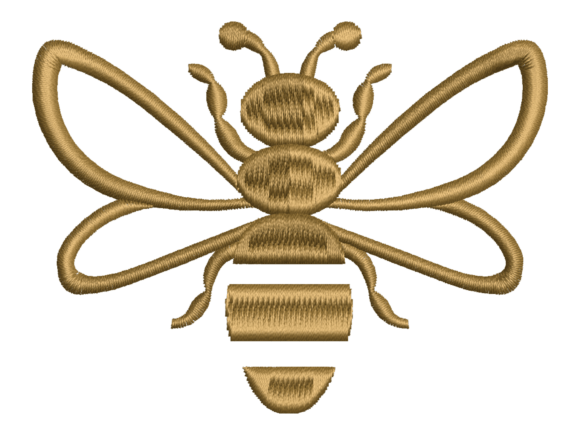
When you first open the digital preview of the Line Art Bee Embroidery Design, the aesthetic is immediately clear. It strikes a delicate balance between modern minimalism and rustic charm. Line art, by its nature, relies on clean contours and negative space rather than heavy shading or complex gradients. For a small business, this translates to a look that feels both premium and accessible. Unlike traditional floral motifs that can sometimes feel dated or overly decorative, a bee rendered in line art suggests movement, industry, and community. It feels friendly enough for a children's boutique yet sophisticated enough for a high-end coffee shop or a creative studio.
The visual personality of this design is versatile. It does not scream "craft fair" unless paired with very specific, rustic elements. Instead, it leans towards a contemporary, handmade presentation. When considering your brand identity, a bee is a powerful symbol of productivity and sweetness. Using the Line Art Bee Embroidery Design allows you to communicate these values without cluttering your product with excessive detail. In the crowded marketplace of Etsy sellers and local merch creators, clarity is king, and this design delivers exactly that.
Performance in Real Business Applications
The true test of any embroidery file is how it holds up when moved from the screen to the fabric. I have tested the application of this design across various substrates relevant to small business merch. Here is how the Line Art Bee Embroidery Design performs in specific commercial contexts:
- Embroidered Patches: This design excels as a standalone patch. The clean lines define the shape perfectly, making it ideal for iron-on or sew-on patches. Because line art often uses fewer thread changes than shaded designs, the production time for batches is reduced, which is crucial for scaling your small business merch.
- Apron Embroidery: For bakeries, florists, and pet brands, aprons are a staple uniform. Placing this bee design on the chest pocket or the bib of an apron adds a professional touch. The simplicity ensures it remains visible even from a distance, enhancing customer trust through consistent branding.
- Cap Embroidery: Caps are curved surfaces where detail can easily get lost. The Line Art Bee Embroidery Design works exceptionally well here because the lack of dense fill stitches prevents puckering on the structured crown of a hat. It serves as a perfect accent logo.
- Tote Bag Design: Canvas tote bags are popular promotional items. A single, bold line art bee creates a striking focal point. It elevates the bag from a generic giveaway to a reusable fashion accessory that customers will actually want to carry, increasing your product value and visibility.
- Custom Apparel Accents: On work shirts or hoodies, this design functions beautifully as a sleeve detail or a small chest logo. It avoids the "mascot" look that can sometimes appear unprofessional on corporate wear, opting instead for a subtle, tasteful mark.
Critical Considerations for Production
While the Line Art Bee Embroidery Design is robust, experienced decorators know that no design is foolproof. There are specific areas where caution must be exercised to ensure the finished product meets quality standards.
Size and Detail Retention
Line art relies on the integrity of its outlines. If you attempt to use this design for extremely small patches, say under 1 inch, the lines may become too thin to hold their structure during stitching. This can lead to broken threads or a fuzzy appearance. Always check if the design maintains its definition at the smallest size you intend to use. For cap embroidery or tiny labels, verify that the outline thickness is sufficient for the needle to catch the thread consistently.
Fabric Texture and Stabilizer Choice
Texture matters. On smooth cotton or canvas, the Line Art Bee Embroidery Design shines. However, on highly textured fabrics like terry cloth (for towels) or thick fleece, the thin lines might get lost in the weave. In these cases, using a heavier cutaway stabilizer is non-negotiable. You must create a solid foundation so the needle penetrates cleanly without dragging the fabric. Additionally, consider the background color. While black thread on white fabric offers high contrast, using light thread on dark uniforms requires careful planning to ensure the lines do not disappear against the fabric texture.
Stitch Density and Washing Durability
Because line art designs often utilize satin stitches or running stitches rather than dense fills, they generally breathe better on the fabric. However, this also means there is less thread coverage. For items that require frequent washing, such as staff uniforms or kitchen aprons, ensure the stitch density is adequate to prevent fraying over time. Test the design on a scrap piece of the actual fabric you plan to use. Wash it multiple times to see if the edges of the bee remain crisp or if the loose ends begin to snag.
Impact on Brand Identity and Commercial Success
In the world of commercial embroidery, consistency is the driver of recognition. The Line Art Bee Embroidery Design offers a unique opportunity to unify your design assets. Whether it appears on a customer gift, an event swag item, or your own packaging accents, the visual consistency builds a cohesive narrative about your brand. A well-executed embroidered logo signals attention to detail. It tells the customer that you care about the quality of your presentation, which directly influences buyer engagement and perceived value.
For handmade brands, this design bridges the gap between digital efficiency and artisanal appeal. It looks custom-made but can be reproduced quickly. This scalability is vital for growing businesses that need to fulfill large orders without sacrificing the "handmade" feel that attracts their core audience. By integrating this bee motif into your custom apparel, you create a signature look that distinguishes you from competitors using generic clip art or printed graphics.
Practical Designer Notes for Implementation
If you decide to purchase this digital embroidery file, follow these steps to ensure a successful production run:
- Test in Black and White: Before committing to expensive thread colors, digitize or run a test in a single neutral color. This helps you identify any spacing issues or gaps in the line work that might be hidden by color blending.
- Verify Hoop Size: Check the dimensions required for the hoop size. Ensure your machine can accommodate the design without needing to re-hoop in the middle of the stitch, which can cause alignment errors.
- Review Thread Color Contrast: Select thread colors that pop against your fabric. A yellow bee on a tan apron might be invisible, whereas a navy blue or black version would stand out clearly.
- Create a Printable Mockup: Before sending files to production, generate a printable mockup for client approval. Show the design on the actual garment image to manage expectations regarding scale and placement.
- Confirm Licensing: Remember that this is a digital product delivered in ZIP or RAR format. Instant download after purchase is convenient, but always confirm the commercial licensing terms. Ensure you are permitted to use the design for small business merch and resale items before launching your product line.
- Inspect Spacing: If you plan to add text alongside the bee, leave ample margin. Line art designs need room to breathe; crowding them with lettering can ruin the elegant aesthetic.
The Line Art Bee Embroidery Design is more than just a cute animal motif; it is a functional tool for brand building. When used correctly with the right stabilizers, fabrics, and sizing considerations, it becomes a cornerstone of a professional, recognizable, and high-quality merchandise line. For the savvy decorator or business owner looking to elevate their products, this design offers the perfect blend of artistic flair and practical utility.