USA Firework 4th of July Embroidery Review
As a designer who has spent years curating assets for both my own craft business and client projects, I approach every new machine embroidery design with a critical eye. The market is flooded with generic patterns that look great on a screen but fall apart under the needle. When I first opened the file for the USA Firework 4th of July Embroidery, I was looking for something that balanced festive energy with professional execution. This design promises to be a perfect accent for various projects, specifically mentioning kids' clothing and tote bags. My goal in this review is to move beyond the basic product description and evaluate how this digital embroidery file actually performs when translated into thread and fabric.
First Impressions: Mood and Visual Personality
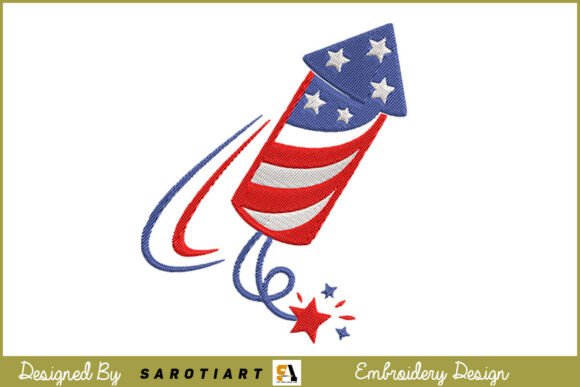
The visual impact of the USA Firework 4th of July Embroidery is immediate. It captures the chaotic joy of Independence Day without feeling cluttered. The layout suggests a dynamic burst, which is essential for holiday-themed designs that need to pop from a distance. Unlike some overly complex patterns that rely on tiny details, this design seems to prioritize bold shapes and clear lines. For an Etsy seller or small shop owner, this clarity is vital. Customers browsing through handmade products online often make split-second decisions based on thumbnail images. A design that reads clearly as a firework display, even at a small scale, significantly increases buyer engagement.
The mood it creates is celebratory yet refined. It avoids the trap of looking like a cheap novelty item. Instead, it feels like a quality addition to custom apparel or home decor. The line art elements mentioned in the description suggest a modern aesthetic, potentially incorporating clean outlines that work well with satin stitch or running stitch techniques. This versatility makes it a strong contender for inclusion in a collection of commercial embroidery assets.
Real-World Application: From File to Finished Product
To truly understand the value of this embroidery project, I visualized stitching it onto a canvas tote bag, a common request for summer merchandise. In this scenario, the USA Firework 4th of July Embroidery would serve as a central focal point. On a natural cotton tote, the red, white, and blue thread colors would stand out beautifully against the neutral background. The design's structure appears robust enough to handle the slight tension variations inherent in bag fabrics, provided the correct stabilizer is used.
I also considered its application on sweatshirt embroidery. Holiday gifts are a massive revenue driver for craft businesses, and personalized gifts featuring this design could appeal to families looking for matching outfits. The pattern's flow suggests it would sit well on the chest area of a hoodie or the sleeve of a long-sleeve shirt. However, for baby embroidery, one must be cautious. While the description notes it can be stitched onto kids' clothing, the density of the fill stitch needs to be checked to ensure the fabric remains soft and breathable against sensitive skin.
For those creating embroidered patches, this design offers excellent potential. Patches are a high-margin product for digital product sellers. If the USA Firework 4th of July Embroidery maintains its integrity when backed with felt or foam, it becomes a versatile asset for hats, denim jackets, and backpacks. The key here is ensuring the edges are clean and the backing is secure, which depends heavily on the specific settings within your embroidery software.
Navigating Fabric Challenges and Technical Considerations
While the design looks promising, experienced decorators know that no embroidery file is universally perfect without testing. There are specific situations where the USA Firework 4th of July Embroidery requires careful handling. Textured fabrics, such as heavy canvas or slub cotton, can sometimes distort intricate details. If the design includes fine lines in the firework trails, these might get lost in the weave of a rougher material. Always test the design on scrap fabric first to see how the texture interacts with the thread.
Stretchy fabrics present another challenge. If you plan to use this for athletic wear or knit tees, the hoop size and stabilizer choice become critical. Without adequate support, the pull of the needle can cause the fabric to pucker around the dense areas of the firework bursts. Dark fabrics require special attention regarding thread contrast. While red and white usually show up well, the lighter blues might need a top layer of white underlay to prevent the dark fabric from showing through the stitches.
Curved surfaces like caps are also a consideration. The flat nature of many firework designs can sometimes result in uneven stitching on a curved brim. You may need to adjust the placement or consider using a cap frame to ensure the finished product looks professional. Additionally, if you are planning to sell items with this design, remember that frequent washing can affect the longevity of the stitches. Dense stitch areas should be inspected to ensure they are not too tight, which could lead to breakage over time.
Designer Notes for Professional Execution
Before committing this design to a client order or a batch of inventory, there are several practical steps I recommend. First, always check the thread colors against your physical fabric swatches. Digital screens often lie about color saturation. Second, review the stitch density in your software. High-density areas might require more stabilizer, while sparse areas might need adjustments to prevent fabric sinking.
Confirm the hoop size compatibility before starting. Some designs are optimized for larger hoops, which might limit their use on smaller items like baby onesies or hat panels. Inspect the small details closely; sometimes what looks like a crisp line on the computer is actually a series of disconnected jumps that could leave gaps in the final stitch. Testing the design in black and white mockups can help you visualize the contrast and balance before spending thread on a real project.
Finally, verify the licensing terms. As a creative entrepreneur, it is crucial to confirm whether you are allowed to sell finished products or if the license restricts you to personal use only. Many digital embroidery files have specific clauses regarding commercial embroidery. Understanding these boundaries protects your business and ensures you are respecting the intellectual property of the original creator.
Final Verdict on Value and Appeal
The USA Firework 4th of July Embroidery stands out as a reliable asset for the patriotic season. Its ability to function as a perfect accent for various projects makes it a valuable addition to any designer's library. Whether you are preparing a boutique product for a craft fair or fulfilling a custom order for a family reunion, this design offers the visual punch needed to elevate a simple garment into a statement piece.
By paying attention to fabric choices, stabilizer usage, and technical settings, you can maximize the potential of this embroidery file. It enhances the handmade presentation of your work, builds customer trust through consistent quality, and adds significant value to your brand. For the savvy maker who understands the nuances of machine embroidery, this design is not just a pattern; it is a tool for creating memorable, high-quality finished products that celebrate Independence Day with style and professionalism.