Teapot Machine Embroidery Design: A Designer’s Real-World Review
First Impressions: Elegance Meets Whimsy
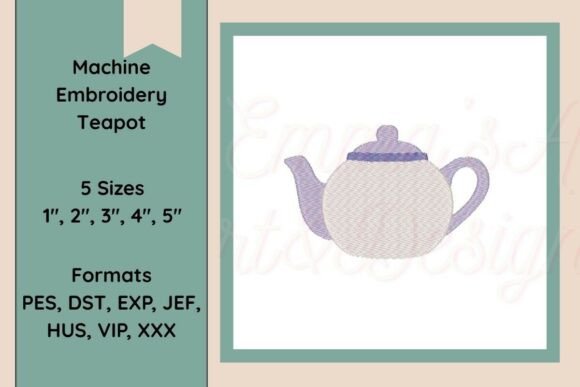
As someone who reviews and tests embroidery designs for real-world use, the Teapot Machine Embroidery Design immediately caught my eye. It has a soft, nostalgic charm that’s perfect for tea lovers and Mother’s Day projects. The design balances elegant curves with playful detailing—think floral accents, a gracefully curved spout, and a lid that looks like it could lift off at any moment. It’s the kind of design that feels both classic and slightly whimsical, making it versatile for a range of projects.
The layout is well-balanced, with no overly dense areas that might cause puckering or distortion on fabric. It doesn’t scream “holiday” or “seasonal,” which means it can be used year-round, especially in boutique-style items or personalized gifts that need to feel timeless rather than trendy.
Real-Life Use: From Tote Bags to Tea Towels
I tested the Teapot Machine Embroidery Design on a few different materials and project types to see how it holds up in actual embroidery work. On a medium-weight cotton tote bag, the design stitched out cleanly with no distortion. The satin and fill stitches blended well, giving the teapot a dimensional feel without looking too busy.
For a custom embroidered sweatshirt, I resized the design slightly and added a small coordinating floral border around it. The result was soft and wearable—perfect for a cozy, personalized gift or Etsy listing. The teapot motif also worked surprisingly well on a baby onesie, especially when paired with a name or short phrase underneath. It gave the garment a gentle, thoughtful touch that parents would appreciate.
I also stitched it onto a linen tea towel, using a light stabilizer underneath. The texture of the fabric gave the design a rustic edge, which felt right at home in a kitchen or as a hostess gift. No skipped stitches or thread breaks, which is always a relief when working with detailed motifs.
Where to Use It Carefully
While the Teapot Machine Embroidery Design is quite versatile, it does require some thoughtful placement and fabric selection. On stretchy knits like sweatshirt fleece or jersey, I noticed a slight pull around the satin stitches, especially on the teapot’s lid and handle. Using a lightweight cutaway stabilizer helped, but it’s something to keep in mind if you’re planning to use the design on apparel.
Dark fabrics can also be a challenge. The lighter thread colors in the design tend to get lost, so I recommend testing the design on black or navy fabric with a few different thread palettes before committing. You may need to adjust the color scheme or increase contrast for better visibility.
Curved surfaces like caps or baby booties also need extra attention. The teapot’s rounded shape can distort slightly on curved or layered areas, so it’s best used on flat panels or gently curved zones like the front of a cap rather than the crown.
Impact on Product Appeal and Customer Perception
From a design standpoint, the Teapot Machine Embroidery Design elevates the visual appeal of any item it’s stitched onto. It gives handmade products a polished, intentional look that customers associate with quality and care. Whether you’re selling embroidered totes, personalized baby clothes, or boutique aprons, this design adds a touch of sophistication that can justify a higher price point.
It also plays well with other design elements. I layered it with simple monograms and borders without overcrowding the fabric, which is a big plus for Etsy sellers or craft entrepreneurs who want to offer customizable options. The teapot motif feels familiar but not overused, which helps your finished product stand out in a saturated market.
For commercial embroidery work, this design is a solid choice for gift shops, custom gift makers, and even wedding-related items. It’s not overly sentimental but still feels personal—ideal for Mother’s Day cards, embroidered pillows, or boutique packaging.
Practical Notes for Embroidery Designers
If you’re planning to use the Teapot Machine Embroidery Design in your own embroidery projects, here are a few practical tips I picked up during testing:
- Test on scrap fabric first—especially if you’re using textured or stretchy materials.
- Check thread color contrast—especially on dark or light backgrounds.
- Review stitch density—make sure there’s no excessive buildup that could cause stiffness or puckering.
- Confirm hoop size—don’t assume it fits your machine without checking the file dimensions.
- Inspect small details—like the spout or lid edge, which can sometimes stitch out less crisply on lower-quality files.
- Test in black and white mockups—to see how it reads without color.
- Use proper stabilizer—especially for stretchy or loosely woven fabrics.
- Check licensing—before selling finished items or digital embroidery files.
Final Thoughts: A Solid Addition to Your Design Library
Overall, the Teapot Machine Embroidery Design is a well-constructed, versatile motif that works well across a variety of fabric types and project styles. It’s not just a cute design—it’s a practical one that adds value to your finished products, whether you’re creating custom apparel, embroidered patches, or printable mockups for digital design assets.
As a designer, I appreciate how it stitches out cleanly without requiring too much tweaking, and how it complements both minimalist and more elaborate embroidery styles. It’s a great example of a design that looks simple at first glance but offers enough detail and flexibility to be used in multiple contexts.
If you’re an Etsy seller, small shop owner, or creative entrepreneur looking to add a touch of charm and elegance to your handmade products, the Teapot Machine Embroidery Design is definitely worth considering. Just be mindful of fabric choice and stabilizer use, and you’ll get a polished, professional result every time.