Coral Embroidery Design: A Designer’s Real-World Review for Practical Use
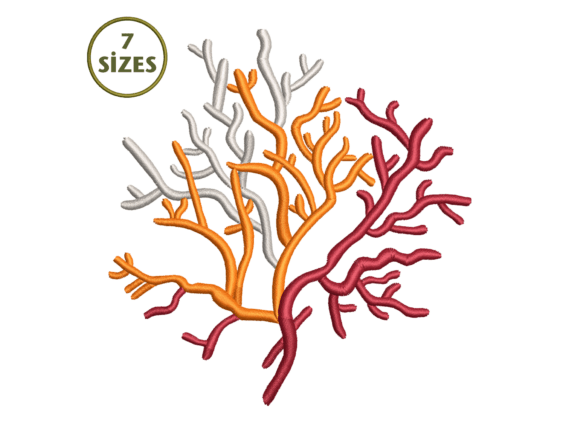
When I first opened the Coral Embroidery Design file, I was struck by how vivid and organic the layout felt. It’s not just another beach-themed embroidery motif—it has a sense of movement and depth that makes it stand out. The branching coral arms flow in a natural, almost underwater rhythm, and the color palette of white and sunset orange gives it a warm, inviting energy. It immediately made me think of summer collections, boutique swimwear, or a set of personalized beach towels for a small shop.
Putting Coral to Work in Real Projects
I tested this design on a few different materials to see how it would translate beyond the screen. Starting with a medium-weight cotton tote bag, the Coral Embroidery Design stitched cleanly with minimal puckering. The satin and fill stitches held up well, and the overall detail remained crisp. It’s a good size and complexity for a statement piece without overwhelming the fabric.
Next, I tried it on a baby onesie. The softness of the design paired nicely with the delicate nature of baby clothing. However, I did notice that the more intricate sections—like the fine coral tips—might get lost a bit on stretchy knit fabric unless proper stabilizer is used. For Etsy sellers or crafters making baby items, this is definitely a design that adds charm, but it does require attention to fabric choice and preparation.
For a small business merchandise test, I stitched the design onto the chest area of a lightweight hoodie. It looked great on the front—bright and eye-catching without being too busy. The white and orange thread contrast worked especially well against a navy background, making the colors pop. It gave the sweatshirt a boutique-style finish that would appeal to customers looking for something unique but wearable.
Where Coral Design Excels—and Where to Watch Closely
This Coral Embroidery Design really shines on flat, stable fabrics like cotton canvas, twill, or even felt for embroidered patches. It holds up well in terms of stitch clarity and thread coverage. I could easily see it used for tote bags, pillow covers, or even a line of summer-themed kitchen towels.
However, I wouldn’t recommend using it on very thin or loosely woven fabrics. The density of the fill stitches can cause some distortion, especially if the stabilizer isn’t applied correctly. I also noticed that on dark fabrics, the white elements need to be backed properly to maintain visibility. If you're using it on a black or navy cap, for example, consider adding a light underlay or testing it on a mockup first.
Another consideration is curved surfaces like caps or sleeves. The organic coral shape doesn’t easily conform to rounded areas, so placement becomes more critical. You’ll want to make sure the design fits within the hoop comfortably and that the fabric tension is even to avoid distortion.
Design Versatility and Customer Appeal
From a design standpoint, Coral Embroidery Design has a strong visual personality. It’s playful yet elegant, making it a versatile choice for both casual and semi-formal items. For personalized gifts, like a custom beach-themed towel or a baby blanket, it adds a unique, handmade touch that customers appreciate.
I also tested it in black and white mockups to see how it would look in monochrome. While it still reads well, some of the subtlety in the coral branches is lost without the color contrast. If you’re planning to use it in a minimalist or neutral collection, you may want to simplify or resize the design slightly for better clarity.
For Etsy sellers and small shop owners, this design has solid resale potential. Its beachy, organic feel aligns well with current trends in handmade and personalized home goods. Just make sure to showcase it in high-quality product photos and printable mockups so buyers can visualize how it looks on different items.
Before using this design in any project—personal or commercial—here are a few things I’d recommend checking:
- Always test the design on scrap fabric first, especially if you're using an unfamiliar material.
- Pay attention to thread color contrast. The white and orange combo works beautifully, but if you’re customizing, test alternate colorways.
- Check the stitch density. While it's generally well-balanced, dense areas may need a bit more stabilizer to prevent puckering.
- Confirm hoop size compatibility. This design may not work in very small hoops due to its organic layout and branching elements.
- Inspect small details like coral tips and corners. These can sometimes get lost on textured or stretchy fabrics.
- If using on dark backgrounds, test with a white underlay or backing to ensure visibility.
- Use the proper stabilizer based on the fabric type—cutaway for stretchy materials, tear-away for stable cottons.
- Make sure the design is suitable for both personal and commercial use. Always confirm licensing terms before selling finished items or digital products featuring the design.
Final Thoughts: A Strong Choice for Beach-Inspired Embroidery
Overall, the Coral Embroidery Design is a well-executed, visually engaging motif that works across a variety of real-world embroidery applications. Whether you're creating custom apparel, personalized gifts, or boutique-style home goods, it brings a sense of warmth and creativity that customers respond to. It’s not a one-size-fits-all design, but when used thoughtfully, it can elevate your finished product and strengthen your brand’s visual identity.
If you’re an embroidery designer, Etsy seller, or craft business owner looking for a standout beach-themed design that’s both detailed and practical, this one is definitely worth testing in your next project lineup.