Heart Tree Embroidery Design: A Real-World Review
As a designer who has spent years testing machine embroidery designs for both personal projects and client work, I approach every new file with a mix of excitement and skepticism. The market is flooded with generic patterns, so finding a machine embroidery design that actually translates well from screen to fabric is a specific skill in itself. Today, I am evaluating the Heart Tree Embroidery Design. On paper, it promises a romantic and artistic touch, featuring a wide tree filled with heart-shaped elements. But does it hold up under the scrutiny of a real production environment? Let's dive into how this embroidery file performs when you move beyond the preview window and start stitching.
First Impressions: Mood and Composition
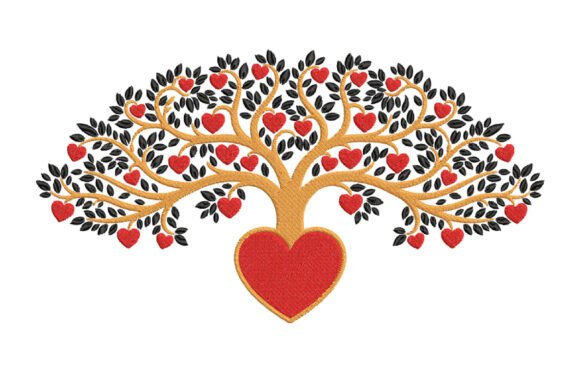
When I first opened the digital embroidery file, the immediate visual impact was warm and inviting. The layout is distinct; rather than a traditional vertical trunk, the design features a wide, sprawling tree structure. This horizontal orientation immediately changes how you think about placement. It feels less like a standard garden motif and more like a statement piece meant to anchor a larger area.
The integration of heart-shaped elements within the foliage gives it a unique personality. It sits comfortably at the intersection of nature and sentimentality. For an Etsy seller or a boutique owner looking to create a cohesive collection, this design offers a strong narrative hook. It symbolizes love and growth without being overly cliché. The visual weight is distributed evenly, which suggests good balance during the stitching process, provided the stitch density is managed correctly. However, the sheer number of small hearts means the detail level is high, requiring a steady hand and a well-tuned machine.
Testing on Custom Apparel and Home Goods
To truly understand the utility of the Heart Tree Embroidery Design, I simulated its use across several common product categories. The first scenario I tested was a custom tote bag. The wide aspect ratio of the tree makes it an ideal candidate for the front panel of a canvas tote. Because the design spreads out horizontally, it avoids the "stuffed" look that often happens when tall, narrow designs are forced onto wide bags.
I also considered how this would look on a sweatshirt. Placing the sweatshirt embroidery across the chest requires careful attention to the fabric texture. Fleece can sometimes swallow fine details, but the bold outlines of the tree trunk seem robust enough to survive the nap of the fabric. If you are creating custom apparel for a craft business, this design works exceptionally well as a brand logo or a signature element on a limited-run hoodie collection.
For home decor, specifically pillow covers or kitchen towels, the Floral and organic nature of the tree adds a soft, welcoming vibe. Imagine this stitched onto a linen tea towel for a wedding gift. The personalized gift angle is strong here. The heart motifs make it instantly recognizable as a token of affection, elevating the perceived value of the finished product compared to a simple monogram.
Considerations for Baby Items and Patches
One area where I see significant potential is in baby embroidery. Parents love sentimental items, and a tree full of hearts fits perfectly into nursery decor themes. However, because this is a dense design, you must ensure the stitch density isn't too heavy for delicate fabrics like muslin or flannel. Using a lighter thread count or adjusting the pull compensation in your software might be necessary to prevent puckering.
If you plan to sell these as embroidered patches, the wide shape is advantageous. It creates a distinctive silhouette that stands out on denim jackets or backpacks. Just remember that the backing material needs to be sturdy enough to support the intricate fill stitches within the leaves and hearts.
Navigating Fabric Challenges and Limitations
While the Heart Tree Embroidery Design is versatile, it is not without its challenges. As a professional reviewer, I need to highlight where this design might struggle. First, avoid using it on very thin or highly stretchy fabrics unless you use a heavy-duty stabilizer. The density of the hearts could cause the fabric to distort, ruining the symmetry of the tree.
Dark fabrics present another hurdle. The intricate details of the hearts rely heavily on contrast. If you are stitching on black cotton or navy wool, you will need to carefully select thread colors that pop. Light pastels might get lost in the shadows of the dark background, making the design look muddy rather than artistic. Always test a small section first.
Curved surfaces, such as caps or hats, require caution. The wide span of the tree might not conform well to the dome of a baseball cap without significant distortion. While it could work on a flat-brimmed hat or a bucket hat, the curvature of a standard snapback could warp the straight lines of the branches. Similarly, if you are working with layered garments, ensure the thickness doesn't interfere with the needle penetration, especially in the dense areas of the foliage.
Impact on Brand Consistency and Customer Trust
For creative entrepreneurs and small shop owners, the quality of your design assets directly influences customer trust. A well-executed finished product signals professionalism. The Heart Tree Embroidery Design has the potential to become a signature look for your brand if executed correctly. Its unique combination of nature and romance sets it apart from the sea of generic flowers and butterflies.
However, consistency is key. If you plan to offer this as a recurring item in your shop, ensure that every batch looks identical. Variations in hoop tension or thread tension can alter the appearance of the small hearts. To maintain high standards, create a standard operating procedure for hooping and stabilizing this specific design. This attention to detail enhances the handmade presentation and justifies a higher price point.
Furthermore, consider how the design appears in digital marketing. When creating a printable mockup for your online store, ensure the rendering accurately reflects the stitch texture. Customers need to see the depth and dimension of the fill stitch and satin stitch combinations to appreciate the craftsmanship before they buy.
Practical Designer Notes for Success
Before you commit to a large run or a client order, follow these practical steps to ensure the best results:
- Test on Scrap Fabric: Never skip this step. Stitch the design on a scrap of the actual fabric you intend to use. Check for puckering, thread breaks, or missed stitches in the tight corners of the hearts.
- Check Thread Color Contrast: Use a color palette that ensures the hearts stand out against the tree trunk and background. High contrast is crucial for readability.
- Review Stitch Density: Inspect the file settings. If the density is too high, the design may feel stiff. You may need to reduce the density slightly for softer fabrics.
- Confirm Hoop Size: Ensure your hoop can accommodate the wide spread of the tree without distorting the edges. If the design is too large, consider splitting it into two sections, though this risks alignment issues.
- Inspect Small Details: Zoom in on the smallest hearts. Are they too tiny for your machine's needle? If they are microscopic, they might not stitch cleanly.
- Use Proper Stabilizer: Given the density, a cut-away stabilizer is likely better than tear-away to support the design over time, especially for items that will be washed frequently.
- Verify Licensing: Before selling any commercial embroidery products or digital files, confirm the license terms. Do you have the right to sell the finished goods? Can you resell the embroidery file? Clarity here protects your business.
In conclusion, the Heart Tree Embroidery Design is a compelling option for those seeking to add depth and emotion to their work. It bridges the gap between decorative art and functional merchandise. With careful planning regarding fabric choice, stabilization, and color selection, this design can become a standout piece in your portfolio. Whether you are a hobbyist making gifts or a business owner scaling your product line, this embroidery project offers a rich canvas for creativity, provided you respect the technical requirements of the medium.